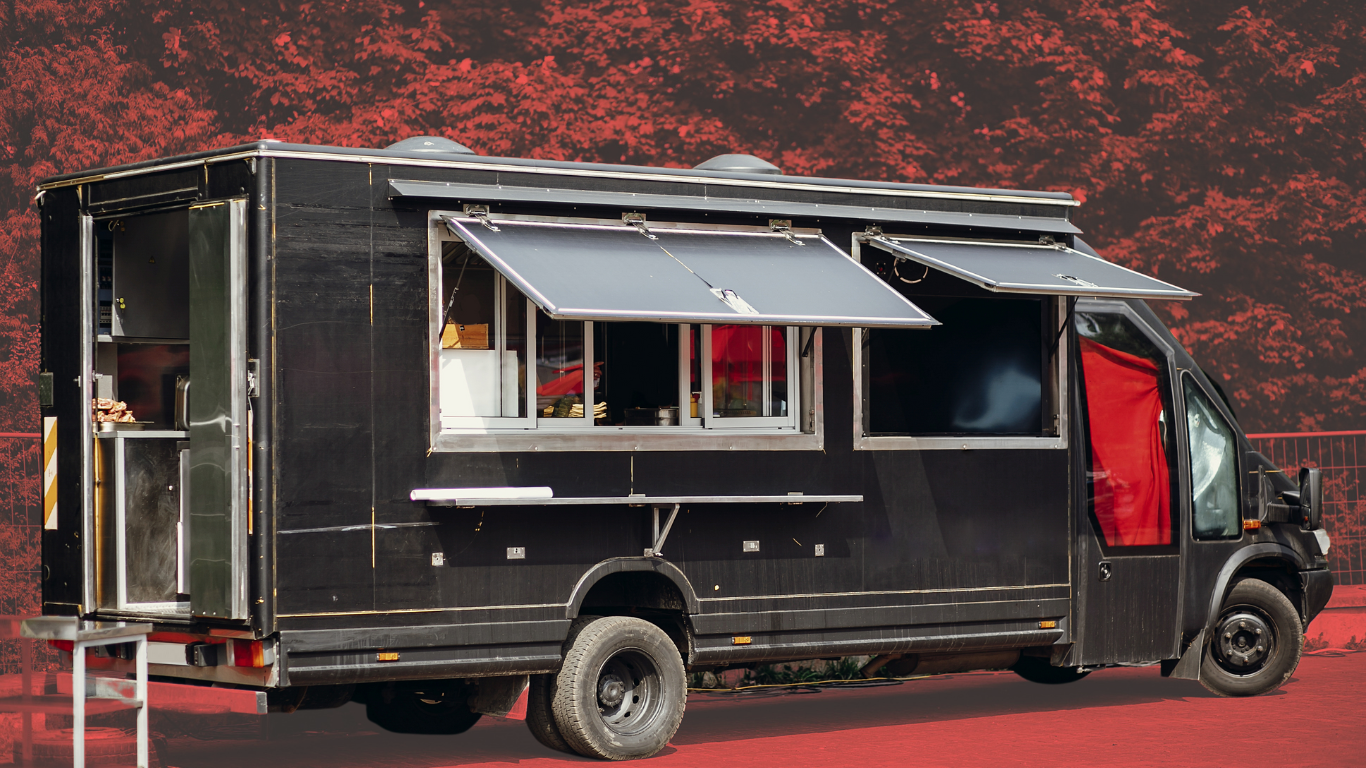
If you’ve ever fantasized about owning a food truck and embarking on a delicious adventure, you’re in the right place. Starting a food truck is more than just serving delectable dishes; it’s about navigating a unique culinary journey filled with opportunities, challenges, and the thrill of bringing your creations to the streets. Today on Boom’s Blog, we’ll explore essential aspects of launching a food truck business, drawing from the expertise of Boomer’s Kitchen & Catering. We’ll not only address your burning questions but also share insights that will set you on the path to food truck success.
Table of contents
The Heart of the Kitchen on Wheels – Legal Matters and Certifications – Location, Location, Location
The Menu Matters – Marketing and Branding
The Heart of the Kitchen on Wheels

Before you hit the road with your food truck, it’s essential to understand the heart of your business—your kitchen. From the layout and equipment to food safety standards, ensuring your mobile kitchen is efficient and meets health and safety regulations is paramount. Here are some critical aspects to consider:
Layout and Efficiency: Space is precious in a food truck, and every inch matters.
Storage Solutions: Space for ingredient storage is limited, so efficient storage solutions are essential.
Food Safety: Maintaining strict food safety standards is non-negotiable.
Maintenance and Repairs: Develop a maintenance schedule to regularly inspect and service equipment.
Equipment Selection: The equipment you choose can significantly impact your menu offerings and the quality of your food.
Legal Matters and Certifications

One of the most common questions aspiring food truck owners ask is, “What certifications do you need for a food truck?” The answer varies depending on your location, but here are some certifications and licenses that are often required:
Food Handler’s Permit: This is typically required for anyone handling food in a commercial setting, including food trucks. It ensures that you and your staff are trained in safe food handling practices.
Mobile Vendor License: This license allows you to operate a mobile food business within a specific area or jurisdiction. The requirements and availability of this license vary by location.
Health Department Permits: You’ll need permits from your local health department to operate legally. Health inspectors will check your food preparation and storage practices to ensure they meet food safety standards.
Business License: Like any business, you’ll need a business license to operate legally. This license allows you to conduct business in your city or county.
Navigating the legal requirements can be complex, but it’s a crucial step to ensure your food truck is operating within the law.
Location, Location, Location
One of the most exciting aspects of owning a food truck is the ability to go where the hungry crowds are. However, it’s not as simple as parking anywhere. Many cities have regulations governing where food trucks can operate. Research and identify prime locations for your food truck, taking into account factors like foot traffic, nearby events, and competitor proximity.

The Menu Matters
The heart of your food truck business is undoubtedly your menu. It’s the first interaction your customers have with your culinary creations, and it plays a pivotal role in shaping their perception of your food truck.. Keep your menu focused, featuring your signature dishes. Be mindful of prep and cooking times, as well as storage space in your mobile kitchen.
Marketing and Branding
Building a brand presence and marketing your food truck is essential for attracting customers. Utilize social media, local events, and partnerships to get the word out about your mobile eatery. Invest in eye-catching branding that reflects the personality of your food truck. Moreover, don’t underestimate the power of local events and partnerships. Participating in community events, food festivals, and collaborations with local businesses can catapult your food truck into the spotlight. It’s not merely about selling food; it’s about forging connections and becoming an integral part of your neighborhood’s food culture.
Summary
Operating a food truck comes with its own set of challenges, from fluctuating weather conditions to long hours on your feet. Be prepared for the realities of life on the road and develop strategies for overcoming obstacles.
Remember, the road to food truck success is marked by a commitment to quality, a deep understanding of regulations and certifications, and a menu that leaves a lasting impression. So, fire up those burners, embrace the mobile kitchen lifestyle, and get ready to share your culinary creations with the world. With Boomer’s Kitchen as your inspiration, your food truck journey is set to be a flavorful and fulfilling one.
Don’t forget to subscribe to our blog and join our community of food lovers!
Subscribe to Boom’s Blog to stay up to date on events, specials, recipes and everything Boomer’s Kitchen and Catering
Please like and share for a chance to be reposted on our social media!
 Boomers Kitchen and Catering - Mobile food truck and homestyle catering servicing the Tri-state.